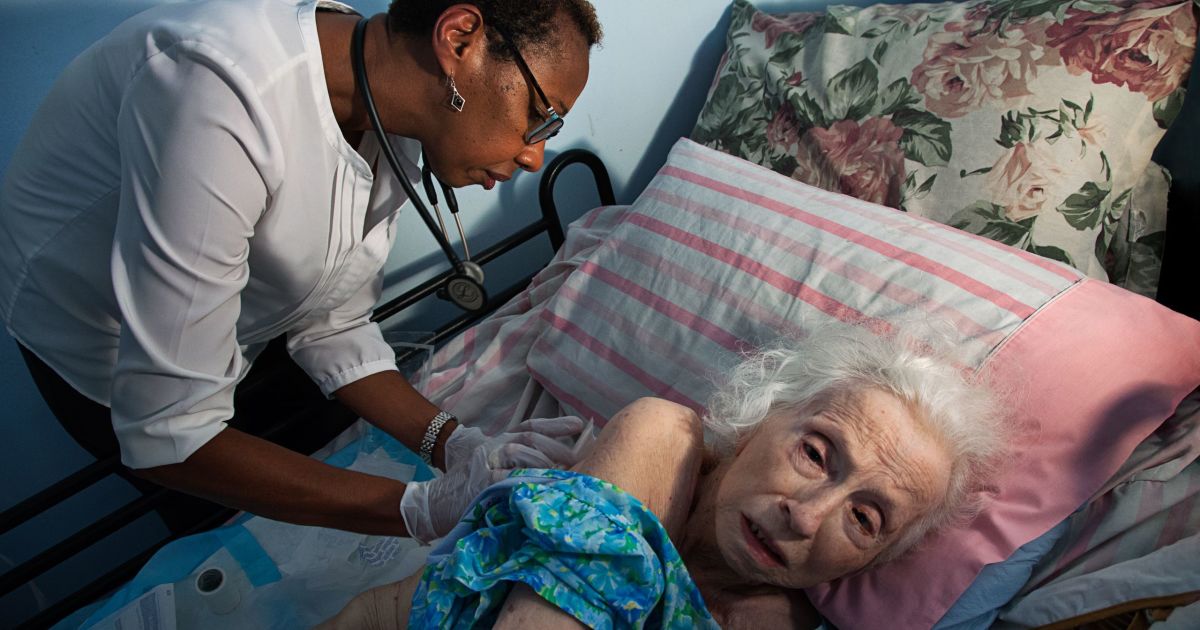

Are you a caregiver to someone with dementia?


In an effort to raise the voice of caregivers, Carers Canada and the Canadian Home Care Association are seeking friends and family members who care for a person with Alzheimer’s disease and other dementias to share their experience by completing a private and secure on-line survey. The survey should take about 15 minutes to complete.

  • Feedback received from this survey will be used to inform the federal government in advancing Bill C-233, an Act respecting a national strategy for Alzheimer’s disease and other dementias. This Act directs the federal Minister of Health to develop and implement a comprehensive national strategy for the care of people living with Alzheimer’s disease or other forms of dementias, as well as their families and caregivers.
  • Please note that the survey closes on February 5, 2018.

Hidden camera finds nursing home staff took hours to give man CPR | Toronto Star

There are some events that leave a person speechless. This is one of them.

https://www.thestar.com/news/world/2017/11/19/hidden-camera-finds-nursing-home-staff-took-hours-to-give-man-cpr.html

September is Pulmonary Fibrosis Month


Darlene, a member of our Pts4Chg community, was critical in making September – Pulmonary Fibrosis Awareness Month – in Edmonton! If you or someone you know suffers from pulmonary fibrosis, this free patient forum may be of interest to you. The event will be held on September 27th from 9:00 a.m. – 3:30: p.m. in Edmonton. Click here for more information.

Congratulations again, Darlene, on a job well done!

The Cost of Speaking Up?


Oft times, patients and families are hesitant to express their complaints and concerns relating to a particular care facility. The source of this hesitation can be from a deep sense of fear – the fear of retaliation. While in most cases no negative repercussions result when a complaint or concern is raised, such is not the case in a long-term care facility in Ontario, Canada.

According to a retired hospital nurse and daughter of a resident at the care facility, she is no longer able to stay in her mother’s room while her mother is being cared for by the staff. The reason for this restriction is because of the complaints the daughter made about the substandard care and dangerous hygiene practices she witnessed. “You complain and this is the price you pay.” What does this say about the facility’s view of family presence?

Click here to read the full story.

The Sign Says What?!

For many people, going to the doctor’s office can be a stressful, anxiety generating, uncomfortable experience. One can only imagine what an indigenous individual would feel upon entering his/her doctor’s office and being greeted by sign that said the following:

“Attention: native patients please don’t ask for tranquilizers or pain medications.”

Maxine Ginnish, who works at the Rising Sun Healing Centre, and took a photograph of the note posted at her doctor’s office is seeking an apology. Click here to read the full story.

What Questions Matter Most to You?


If you are from Alberta, have lived experience with depression, and are interested in depression research, you may wish to participate in an online survey conducted by Alberta SPOR SUPPORT Unit, Patient Engagement Platform, Alberta Health Services and Canadian Depression Research and Innovation Network. By completing this survey, you will assist in determining the top 25-30 depression research questions to be used for an upcoming workshop. What questions matter most to you?

Click here to participate in the survey.

Managing Chronic Conditions by Making Connections

connection

What do Livongo, MyHealthTeams, Health Decision Technology, Wellness Layer and Sensely have in common? In addition to them all having an online presence, they are also focusing on chronic disease management. Key to this management, or more specifically self-management, is to help people with chronic diseases, or loved ones with such conditions, connect with others – patients, coaches, etc. Through these connections, the hope is that the financial and physical burden being experienced will be reversed or in someway lessened.  Click here to discover more about these initiatives.

How Do You Prepare for Death?

Meet Heather Meyerend, a hospice nurse who works in South Brooklyn. As such, Heather addresses people’s physical, emotional, psychological and spritual needs when they are most vulnerable.

She sees her work as preparing a patient for the voyage he is about to take, and accompanying him partway down the road. She, like most hospice workers, feels that it is a privilege to spend time with the dying, to be allowed into a person’s life and a family’s life when they are at their rawest and most vulnerable, and when they most need help. Some hospice workers believe that working with the dying is the closest you can get on earth to the presence of God.

Click here to continue reading.

Helping at a Cost?

Young man sitting looking upset 

Depression is not only difficult for the person him/herself but also for individuals who are trying to assist and support this person. Oft times, when trying to provide assistance, a person neglects his/her own needs. The question becomes, “How can one give to the other person without forfeiting oneself?” 

On HelpGuide.org, a number of suggestions are provided. All focus on supporting a depressed person while at the same time maintaining one’s own wellness and well-being. The importance of recognizing oneself while giving to another is explained in the following way. “Thinking about your own needs is not an act of selfishness—it’s a necessity. Your emotional strength will allow you to provide the ongoing support your depressed friend or family member needs.” (www.helpguide.org)

Helping Oneself and Others

13652619_10153671891896931_1347339912_n
In an online post, Sheila, a member of the Pts4Chg community, raises an important topic. How does one obtain assistance for oneself or others when it comes to health care? How does one

tactfully get help for yourself or a loved one, or even possibly someone we don’t know who is in the hospital and we see that he/she is not getting the care that the Dr. prescribed, such as meds being missed or denied, patient not being fed, etc. Sadly, only those who have a loved one who comes to visit, will get these issues fixed, but I have seen (too many times) meals delivered to people without a loved one there to feed them, which were just picked up and taken away when the dietitians came back to collect trays, no one to feed those who are the most sick and alone or help them get the care the Dr. prescribed. In my local hospital, those with visitors get the most care because then there are ‘witnesses’ to what did or did not happen. The ones who are alone are in a dangerously negligent position.

Any comments and suggestions relating to this topic are welcome.