Oft times, the shortest tweets say the most.
Doctors still don't get how traumatizing it can be for patients to not be believed.
— Steven Phillips, MD (@StevePhillipsMD) January 13, 2023
Oft times, the shortest tweets say the most.
Doctors still don't get how traumatizing it can be for patients to not be believed.
— Steven Phillips, MD (@StevePhillipsMD) January 13, 2023
It was a difficult decision for our family to share this story. My dad was a quiet, private person who didn't like the spotlight, and I worried about protecting his dignity while also making sure Albertans were told what is happening in our hospitals. https://t.co/7zo1kuIbL2
— Bridget Stirling (@bridgetstirling) July 29, 2022
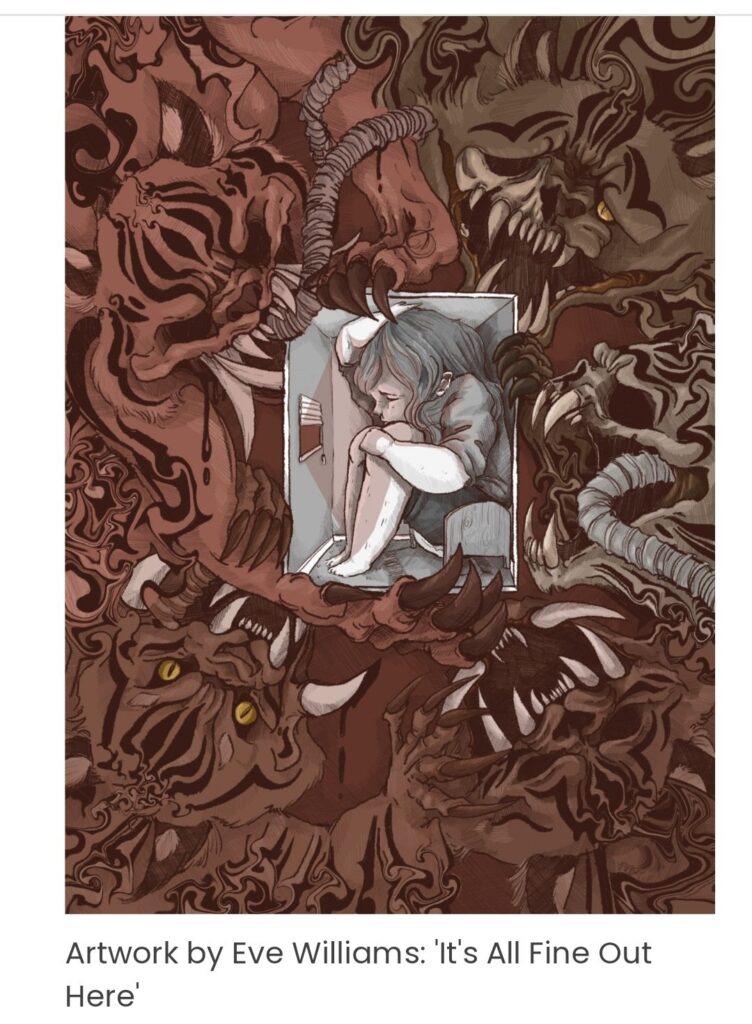
As greater emphasis is being placed on “getting on with life” or at the very least “learning to live with COVID-19” people who are immunocompromised, disabled or have medical issues that put them or those they care for at risk are being isolated, alienated, ostracized and ignored by much of society. In an article entitled, “Those who are Disabled and Immunocompromised need to be supported, not ignored,” Eva Williams describes this new reality. According to her, “The way that vulnerable people are currently being treated is nothing short of barbaric.” Click here to read Williams’ article.
Every so often there is a Twitter thread that is a definite must read. This thread by Katie Babcock is one of them. In addition to the thread, you might want to read the comments by fellow Twitter users as well.
A common theme in media is that vulnerable people “feel” left behind by the lack of COVID protections. We don’t feel left behind – we have been left behind and what being “left behind” means is that we’re either forced to isolate or forced into situations that could kill us. 🧵
— Katie Babcock (@katebabcock) July 13, 2022
Here is a Twitter thread that expresses what many people are feeling.
I am so mad. So Mad. Our #abhealth system is beyond broken. A dear friend and new mom is needing transfer from a rural hospital to #RDRHC for a procedure. A very necessary procedure to remove excess fluid around her lungs. 1/5
— Tired AB Nurse Blocked by Kenney (@tired_albertan) July 3, 2022

A study conducted by Patrick McLane, Cheryl Barnabe, Leslee Mackey, Lea Bill, Katherine Rittenbach, Brian R. Holroyd, Anne Bird, Bonnie Healy, Kris Janvier, Eunice Louis and Rhonda J. Rosychuk found that First Nations people in Alberta recieved different triage scores than other populations. According to the researchers, “Systemic racism, stereotyping and differential access to health care resources (especially primary care), as well as factors such as communication and level of patient trust in the health care system, may all contribute to differences in triage scores between First Nations and non–First Nations patients.”
Click here to read the study.
Let's redefine #PatientSafety together! The definition of #PatientSafety has evolved over time & continues to change in response to the world around us. Learn more about the history in our new blog & help us chart the path to a new definition in a new way: https://t.co/VZXUX1XAcN pic.twitter.com/H94EWzOXXz
— Healthcare Excellence CA | Excellence en santé CA (@HE_ES_Canada) January 4, 2022
What does “patient safety” mean?
The University Health Network Open Lab team is working closely with the safety team at Healthcare Excellence Canada on their Defining Safety project. The goal of this project is to understand perspectives on the definition and future of patient safety from patients, caregivers, professionals, and leaders across Canada.
As a means of obtaining insights and ideas from Canadians, a ‘thought exchange’ about patient safety has been created. This exchange is a completely anonymous platform that provides space for participants to describe what they think the salient features are that should be included in a definition of patient safety.
If you live in Canada and want to join in the conversation on patient safety, click here.
“Ni cta ni akohikon – That hurts me
Carol pe ntamici – Carol, come see me
Ni taci sa micta mackikikatakoiin – They are overdosing me on drugs
Wipatc tca – Do it quickly
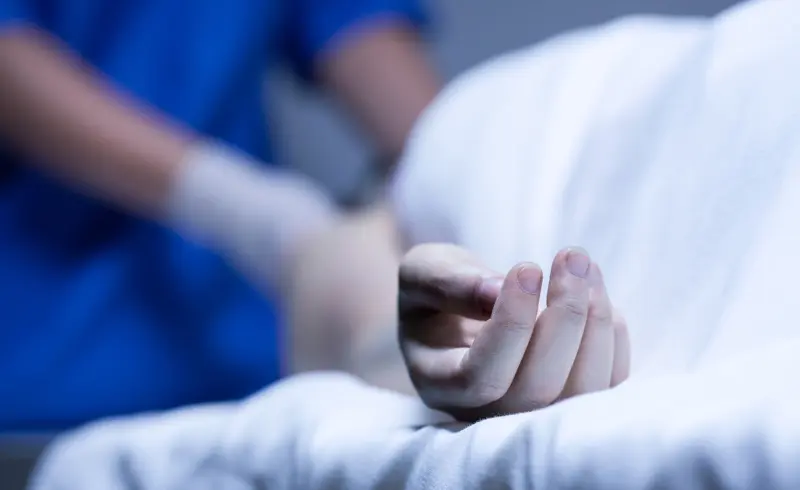
Those were the chilling words of Joyce Echaquan, broadcasting live from Facebook on September 28, 2020 at 10:27 am (English translation provided).” Click here to read the full article.
