Patient Voices Network – Volunteer and Make a Difference

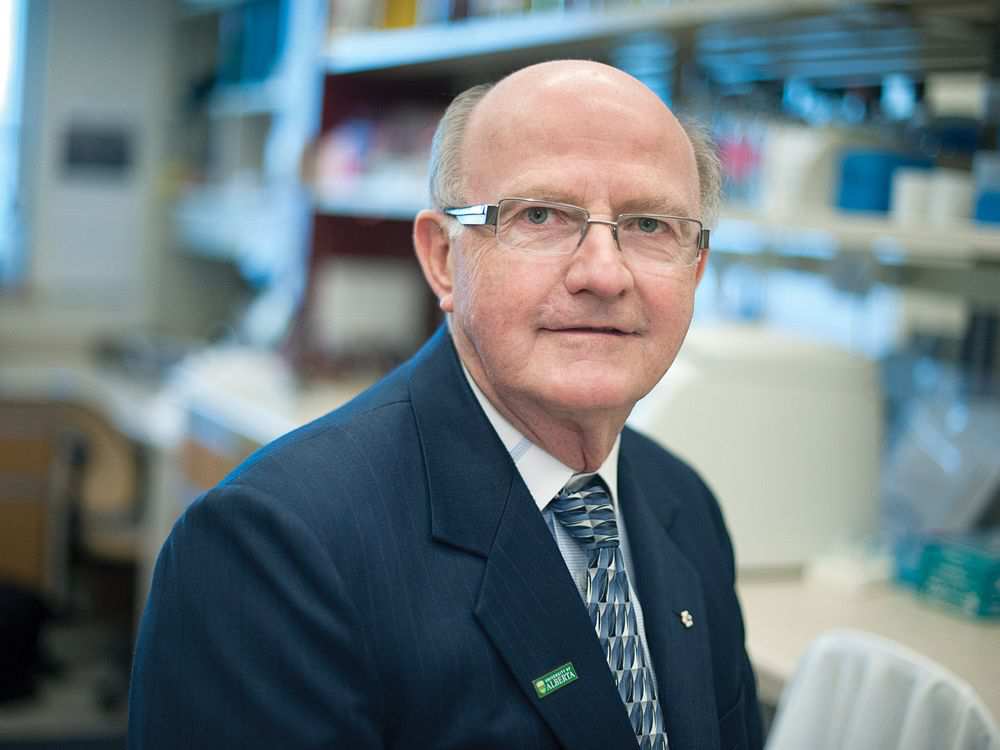
Do you live in British Columbia? Do you want to make a positive difference to the province’s health care system? If so, you may wish to explore the Patient Voices Network. Ernie Hamm is an individual who chose to do just that and is very happy that he did.

Ernie Hamm loves to lend a helping hand and he’s been thoroughly enjoying donating his time with the Patient Voices Network (PVN). The Osoyoos senior, 77, has been volunteering with PVN for more than four years and has loved every minute of it. “I just volunteer in any area where they need help,” he said. … Click here to continue.

Mosquitoes now spreading Zika virus in the U.S.

Source: Mosquitoes now spreading Zika virus in US, officials warn – National | Globalnews.ca

According to US health officials, mosquitoes have begun spreading the Zika virus in the U.S.  Thus far, four individuals have been infected in the Miami area.  Although no mosquitoes have actually been found in Florida that carry the virus, other means of transmitting the virus have been ruled out in these four cases.  Therefore, as Dr. Thomas Frieden, director of the U.S. Centers for Disease Control and Prevention states, “Zika is now here.”  Click here to read more about Zika virus in the U.S.

Clinical Trials – To Participate or Not

clinicaltrial
Clinical trials are becoming more popular and as such, the demand for participants is increasing. Unfortunately, oft times patients who are being asked to participate or are considering joining are unclear about the nature of the study and what their involvement would entail. This, in turn, makes deciding whether or not to get involved in the study more difficult.

To address this issue, The Center for Information & Study on Clinical Reseach Participation has a number of questions on its website that may be of assistance to individuals contemplating clinical trial involvement. Here are five of the questions they list.
1. What is the main purpose of this study?
2. Does the study involve a placebo or a treatment that is already on the market?
3. How will the treatment be given to me?
4. How long is the study going to last and what will I be asked to do as a participant?
5. What has been learned about the study treatment and are any study results published?

To reading the list, click here. What, if any, questions would you add to this list?

Dietary Supplements-Adverse Events And Emergency Room Visits

Dietary supplements are often promoted as natural and safe. However, this is not necessarily the case.

Lamar Odom’s recent brush with death has drawn the nation’s attention to dietary supplements. The former basketball player suffered an ischemic stroke and cardiac arrest induced by cocaine and two herbal male enhancement supplements, Reload and Libimax Plus. He purchased these supplements from the brothel where he was found unconscious. What Lamar and most people don’t know is that Reload contains sildenafil also known as Viagra. And Libimax Plus contains the drug tadalafil, the same ingredient in Cialis, another prescription drug for erectile dysfunction. Dietary supplements are regulated and monitored by the FDA differently from prescription medicines. The labeling information of supplements is not strictly enforced. Information may not necessarily include all ingredients and at times, the supplements may contain less or more substances than what the labeling indicates.

Click here to continue reading.

Why Does Inappropriate Prescribing Exist?

Antibiotic resistance is becoming a growing concern. One need only consider the strain of bacteria that contains genes which show no effect to colisitin, the “antibiotic of last resort,” to recognize the threat that exists. According to John Gums, Associate Dean for Clinical Affairs and Professor of Pharmacy and Medicine at the University of Florida, there are a number of reasons that antibiotic resistance has occurred, one of which is inappropriate prescribing. While the solution to this situation is clear – doctors need to stop prescribing so many antibiotics – there are other factors at work. As Gums explains:

I believe there are two reasons inappropriate prescribing is so hard to curb. First, there is a philosophical disconnect between the data about antibiotic resistance and what drives prescriber behavior. The second is that physicians may bend to patient demand for antibiotics, even if the physician knows it won’t help or isn’t really needed.

Click here to read the article.

Card games can help in stroke recovery

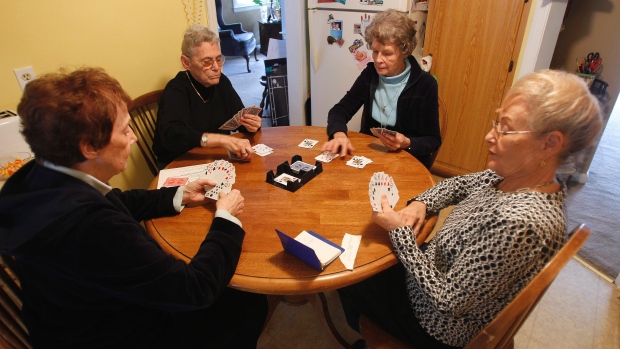
If you are looking for an activity to do with someone who has recently suffered a stroke, you may wish to get out a deck of playing cards. In a recent study, researchers found that activities such as playing cards or tossing a ball into a garbage were as effective for regaining coordination as playing virtual reality games. According to lead author Dr. Gustavo Saposnik, “We all like technology and have the tendency to think that new technology is better than old-fashioned strategies, but sometimes that’s not the case….In this study, we found that simple recreational activities that can be implemented anywhere may be as effective as technology.”

Click here to read the full article.”

Are patients the health care system’s free labor?

Have you ever felt overburdened by the amount of paperwork, phone calls, e-mails, appointments, etc., associated with navigating the health care system?  If so, you are not alone.

stress1

In the article, “Unpaid, stressed, and confused: patients are the health care system’s free labor,” Sarah Kliff describes how the health care system can place considerable burden on the patient him/herself. This realization came about from her own experience managing a chronic foot injury. As Kliff explains:

What I didn’t understand was the burden patients face in managing the health care system: a massive web of doctors, insurers, pharmacies, and other siloed actors that seem intent on not talking with one another. That unenviable task gets left to the patient, the secret glue that holds the system together.

For me, this feels like a part-time job where the pay is lousy, the hours inconvenient, and the stakes incredibly high. It’s up to me to ferry medical records between different providers, to track down a pharmacy that can fill my prescription, and to talk to my insurance when a treatment gets denied to find out why.

Click here to read the full article.

As a Senior, Do You Want to Live Alone?

For many individuals, living alone is their preference.  However, while such a living arrangement can be easy to do when one is young, this may not be the case as one ages. As Jacki Andre points out in her recent article, there are many factors that must be taken into consideration if one wants to live alone as a senior. These include such things as undertaking home renovations and adaptations to accommodate mobility issues and establishing living arrangements that meet one’s desire to be independent but at the same time ensure personal safety and security. Just as Andre asks herself the following questions:  “What kind of options would allow me to live alone as a senior? What sort of things should I be thinking about now, to transition from middle-aged employee to retirement living to senior citizen?” we may wish to do the same.  Click here to read Andre’s article.

I have no words. I have a thousand words.

In a recent blog post, Anon456, a former ICU nurse, describes her typical day in the palliative unit. In the midst of paperwork, administration of medicine and providing patient care, Anon456 recognizes what an honor it is to be part of the end-of-life journey.

It’s 0653. I pull up to the hospice unit, clock in, fill my coffee mug, and get my nursing brain printed out. At 0700, I count narcotics and take report on six patients. It’s going to be a busy day, one of those days where I must control the chaos, take the time to support patients, complete as many of the thousand tasks set before me as I can, and be prepared to deal with the unexpected.

I work in a palliative/hospice inpatient unit, a place where patients come when they are in crisis,can’t be cared for at home, or simply have no place else to go. One of my patients today is in indigent man who has no one in the world.We cannot locate his family. We don’t even know his real name. He slipped into a coma yesterday and is non-responsive. We take care of him, call him by the name we think he has, and witness his last hours or days.

Click here to read the full blog post.