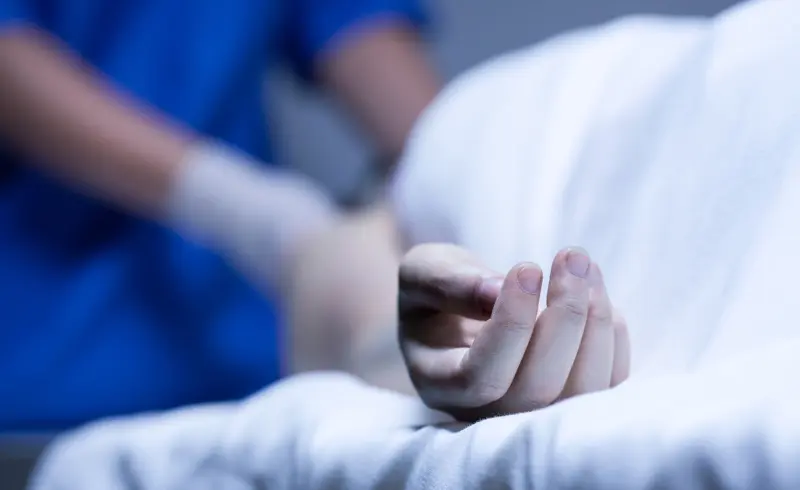

Burned out, demoralized and calling for change

“Primary care is the bedrock foundation for our healthcare system and the collapse of this will have after shocks felt at all levels of health care delivery. Having a family physician means promoting preventative medicine, doing outpatient work ups re directing care away from overwhelmed ER departments when appropriate, providing earlier more manageable disease diagnosis, collaborating with specialist and ensuring you get the best care possible. We are instrumental in decreasing the number of in patients and over capacity at the hospital. We help transition patients to short stay units, long term care or follow up on our discharged patients, and some of us even do house calls for the infirm. Good care means taking initiative and ensuring our patients don’t fall through the ever enlarging cracks in the system.”

Click here to read the full article.

Profits Over People?

Another example of profits over people. How many individuals, especially seniors and/or people with disabilities, are being taken advantage of by businesses etc.?

“‘Being that I am a diabetic and I struggle with mental illness and I’m legally blind and I’m legally deaf I thought this might be a way that I could try and save money. ‘”

Click here to read the full story.

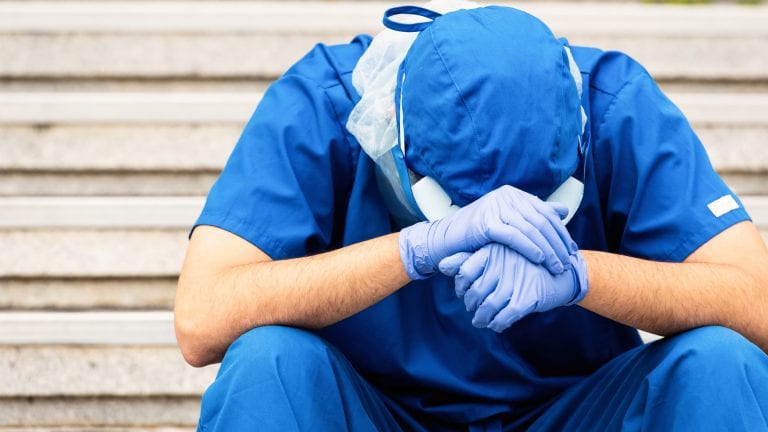
Why are healthcare workers burning out?

iStock-Juanmonino

Given that healthcare workers have been dealing with the pandemic for over two years, it is fully understandable that many of them are burnt or burning out. Howevever, as the following statement suggests, the underlying reason for healthcare worker burnout may have existed well before the pandemic began.

“Our system was not okay before COVID-19. It was functioning because of the people in it, and because they give 110 percent every time they come into work….The cracks that were there widened and it became apparent to everybody.”

Click here to read the full article.
First Nations: ER triage scores in Alberta

A study conducted by Patrick McLane, Cheryl Barnabe, Leslee Mackey, Lea Bill, Katherine Rittenbach, Brian R. Holroyd, Anne Bird, Bonnie Healy, Kris Janvier, Eunice Louis and Rhonda J. Rosychuk found that First Nations people in Alberta recieved different triage scores than other populations. According to the researchers, “Systemic racism, stereotyping and differential access to health care resources (especially primary care), as well as factors such as communication and level of patient trust in the health care system, may all contribute to differences in triage scores between First Nations and non–First Nations patients.”

Click here to read the study.

Systemic racism and healthcare?

“Ni cta ni akohikon – That hurts me
Carol pe ntamici – Carol, come see me
Ni taci sa micta mackikikatakoiin – They are overdosing me on drugs
Wipatc tca – Do it quickly

Those were the chilling words of Joyce Echaquan, broadcasting live from Facebook on September 28, 2020 at 10:27 am (English translation provided).” Click here to read the full article.

More Than One Crisis

With COVID-19 at the fore of many people’s minds, other things can be overlooked. Unfortunately, this is seemingly the case for drug overdoses. According to Avery Haines in her article, “‘Man, I’ve seen a lot of people die’: Canada’s other health crisis,”

In the first nine months of 2020, during the first wave of the pandemic, nearly 1,700 people died from overdoses in Ontario alone. That’s a 55 per cent increase over last year. In Alberta, during that same time period, more people died from overdoses than from COVID-19. 

Click here to read more.

Tough Decisions

“As intensive care units and hospital resources approach capacity during the second wave of COVID-19, health authorities are triaging their emergency critical care plans to decide who gets priority if there’s a surge in cases. Ontario has unveiled an emergency plan that prioritizes patients based on a clinical, unbiased assessment of their chances of survival.”

Gratitude Expressed

At this time of year, it is not uncommon to reflect on all that one has to be grateful for. Below, is an example of an individual who not only recognized what he was thankful for but made sure that the people involved knew.

Visiting at What Cost?

Visiting loved ones in long-term care facilities during COVID-19 has been difficult at best. However, accommodations and adaptations by both facilities and families/friends have been done to make “visiting” loved ones possible.

Unfortunately, the visiting-related actions of an individual in Calgary may have compromised future visits as well as the health and well-being of residents and staff. Click here to read the story.